Scholars on Shryn
Ask the people who wrote the books
Voices grounded in books, lectures, interviews, archives, and public writings. Every living scholar’s voice is built with their direct participation.
Living scholars
Built with participation, consent, or approved materials from the person, family, institution, or rights holder.
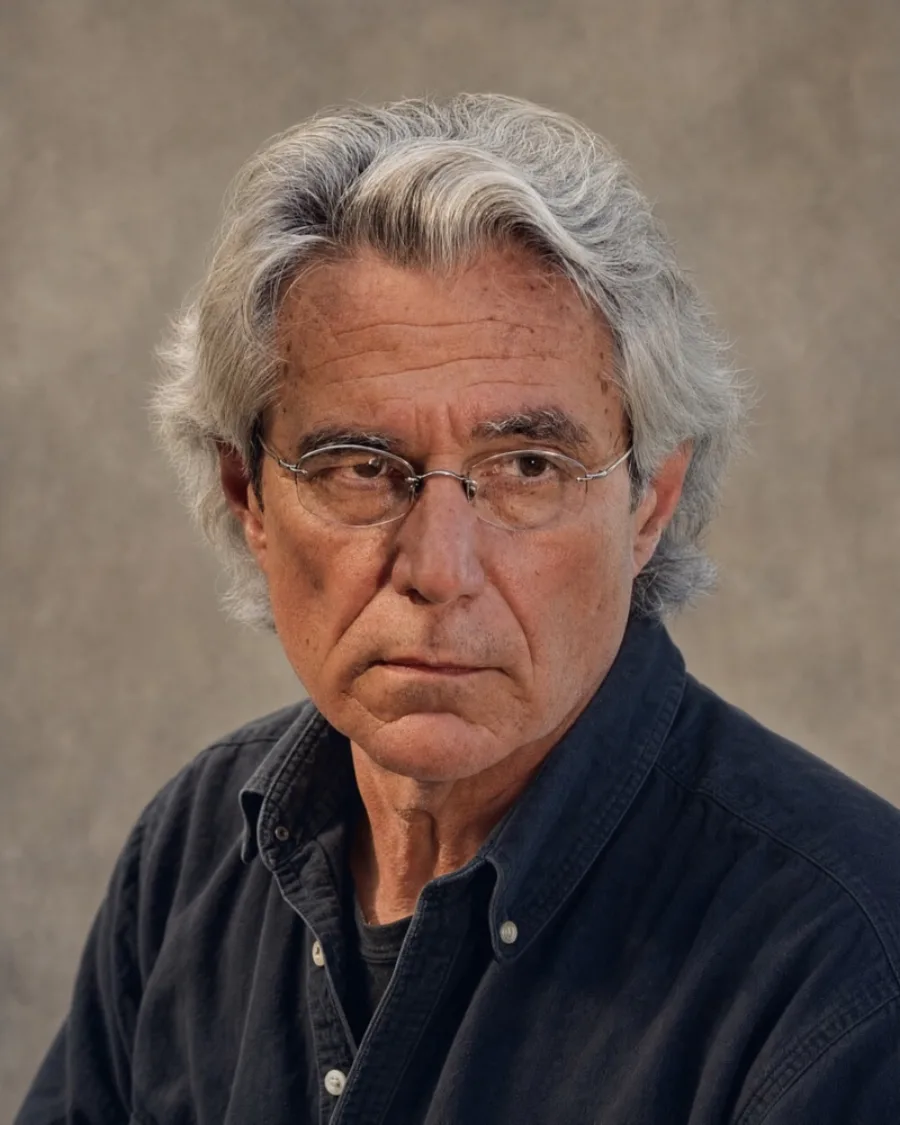
Mark C. Taylor
Philosopher and cultural critic, Columbia University
Professor emeritus at Columbia University. Author of more than 30 books exploring the intersections of religion, art, architecture, technology, and philosophy.
Ask Mark →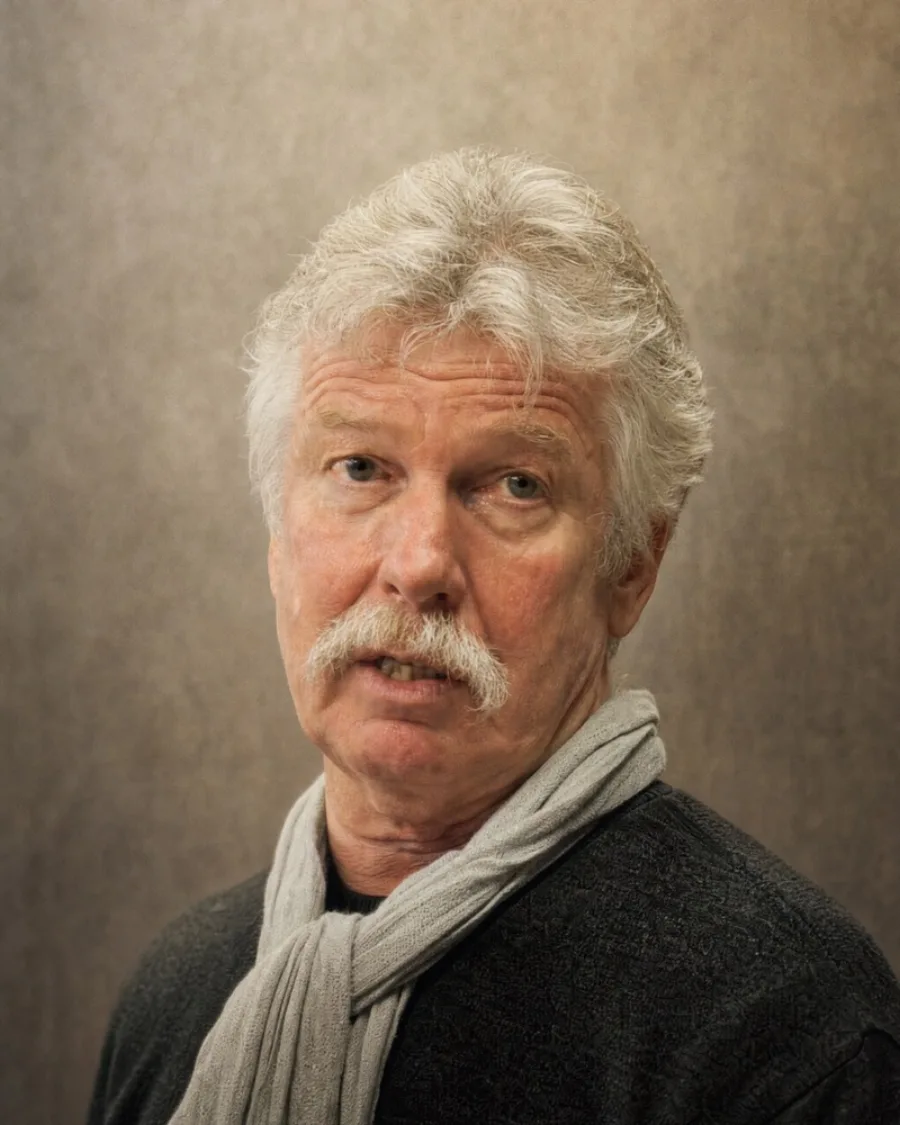
Michael Bamberg
Narrative psychologist, Clark University
Professor of Psychology at Clark University. A leading voice in narrative psychology, known for positioning theory and his work on “small stories”, the everyday, in-the-moment narratives through which people construct identity.
Ask Michael →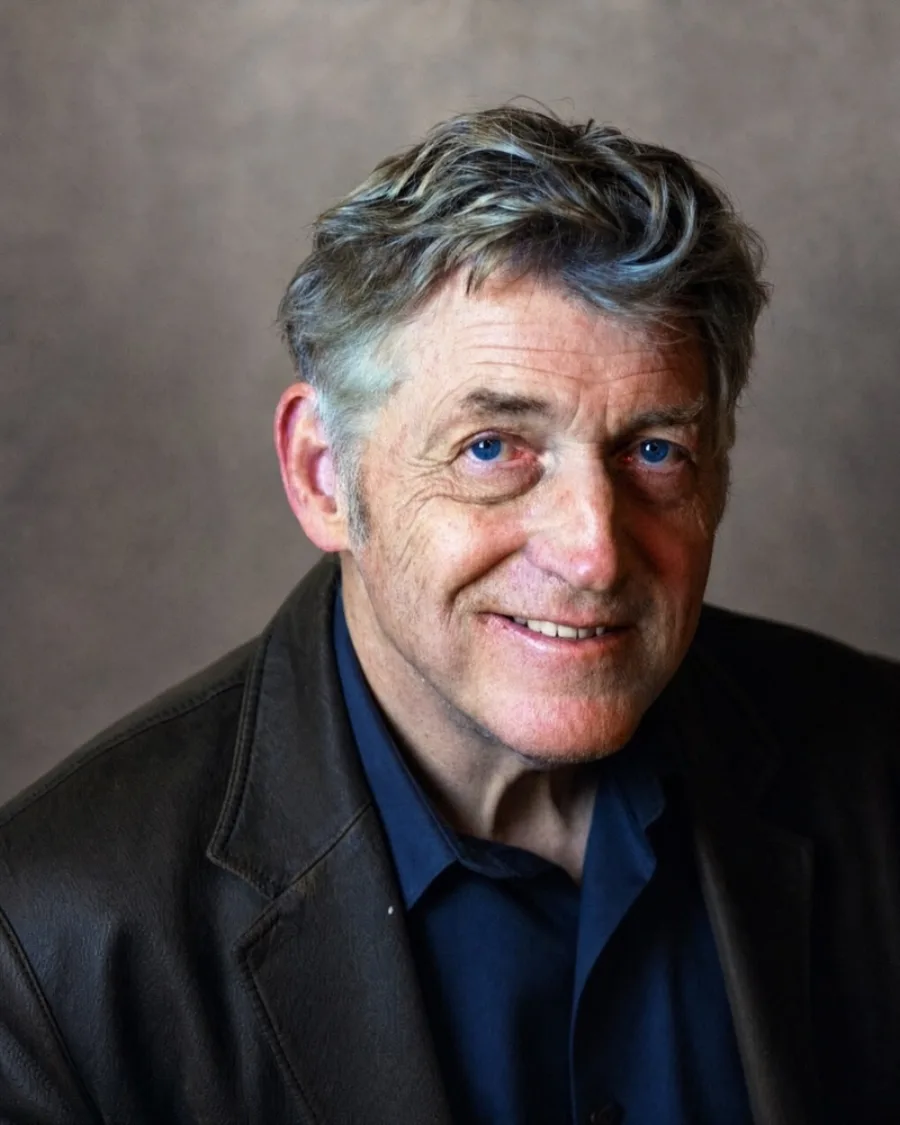
Carl Raschke
Philosopher of religion, University of Denver
Professor of Philosophy, University of Denver. PhD Harvard. Author of 30+ books on philosophy of religion and cultural theory.
Ask Carl →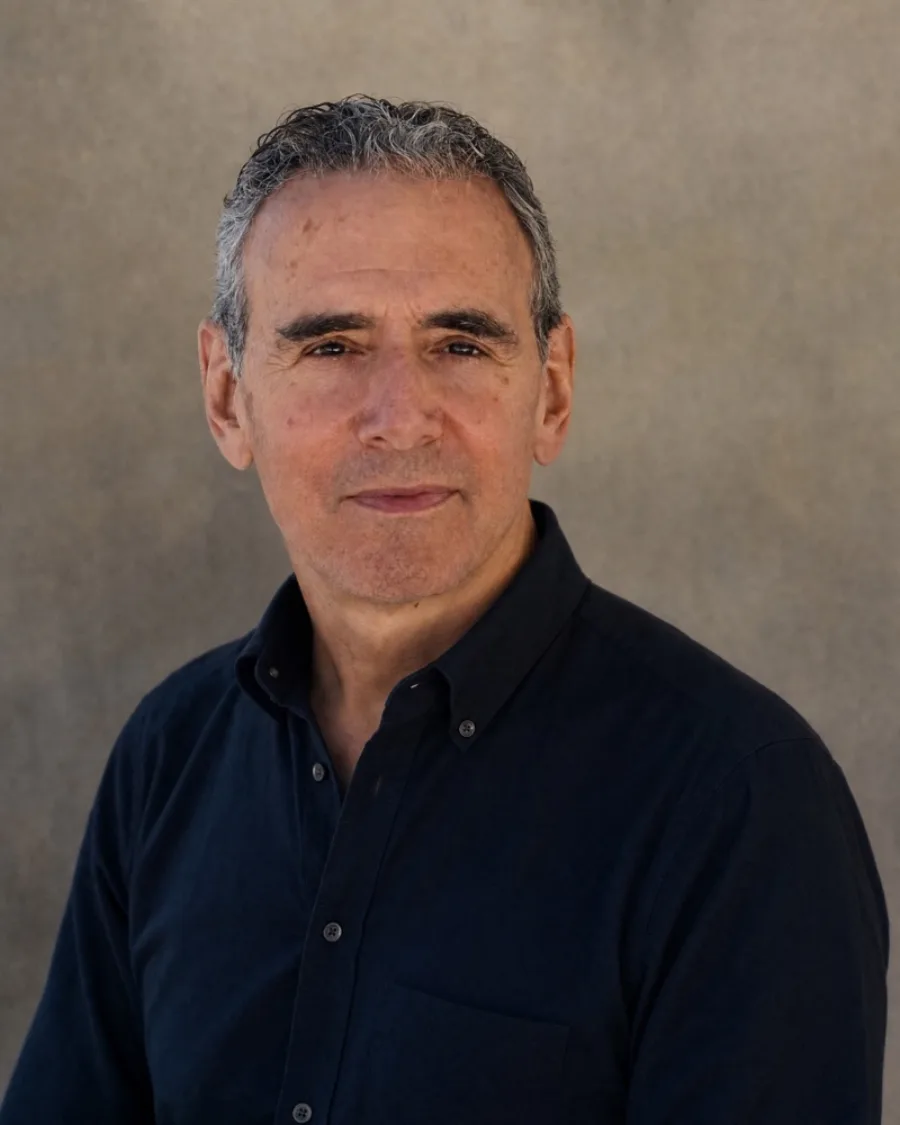
Gerald Frankel
Materials scientist, Ohio State University
Professor of Materials Science and Engineering at Ohio State University. Founding Director of the Fontana Corrosion Center. World authority on pitting corrosion, stress corrosion cracking, and nuclear waste container integrity.
Ask Gerald →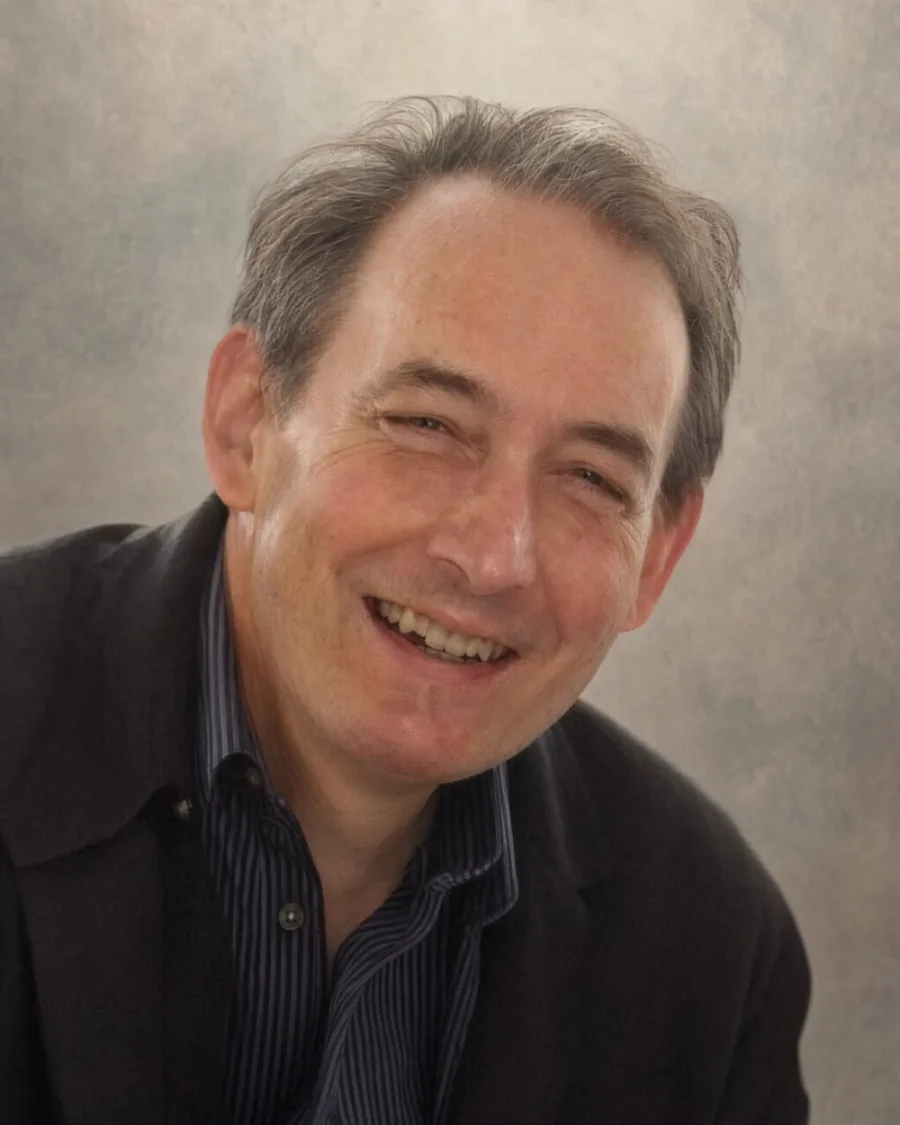
S. Douglas Olson
Classicist, University of Minnesota
Regents Professor at the University of Minnesota. One of the world’s leading authorities on ancient Greek comedy, particularly Aristophanes. Editor of the definitive critical editions.
Ask Douglas →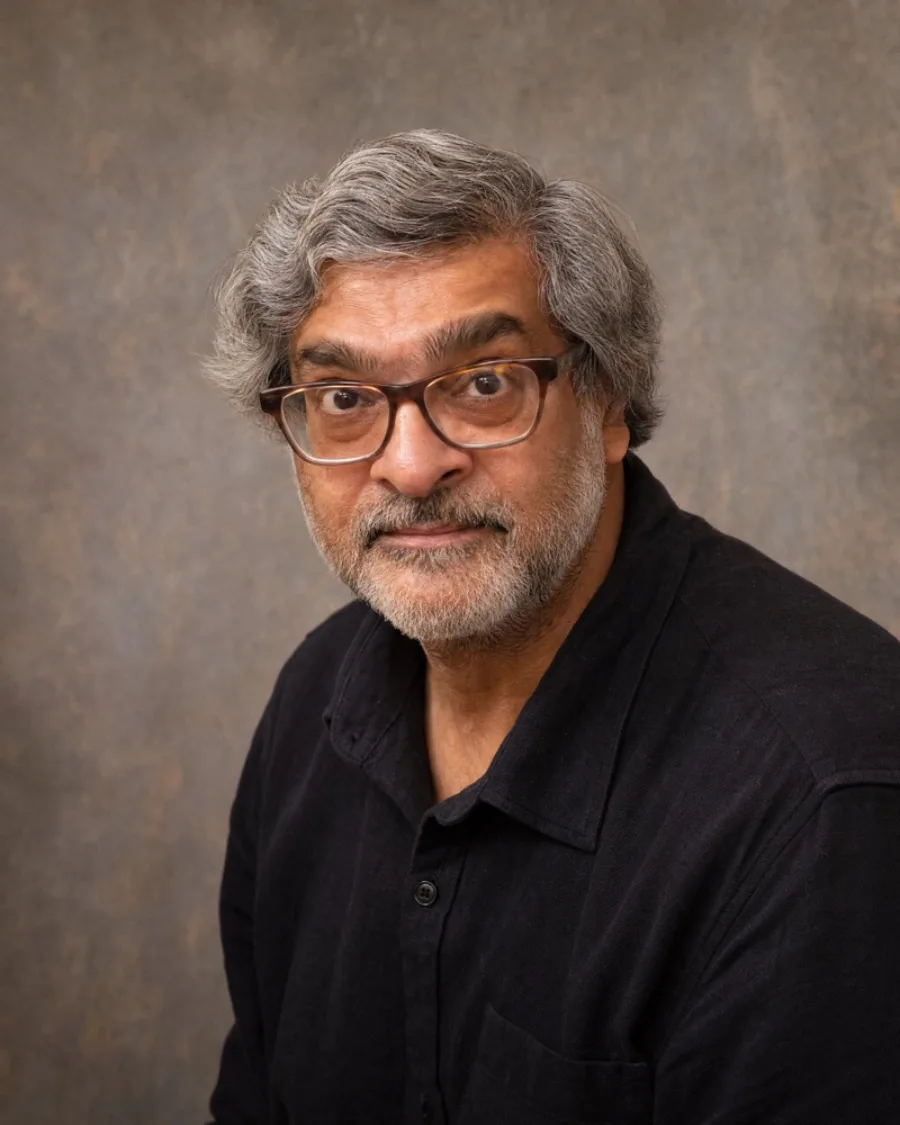
Vinay Lal
Historian and Gandhi scholar, UCLA
Professor of History and Asian American Studies, University of California, Los Angeles.
Ask Vinay →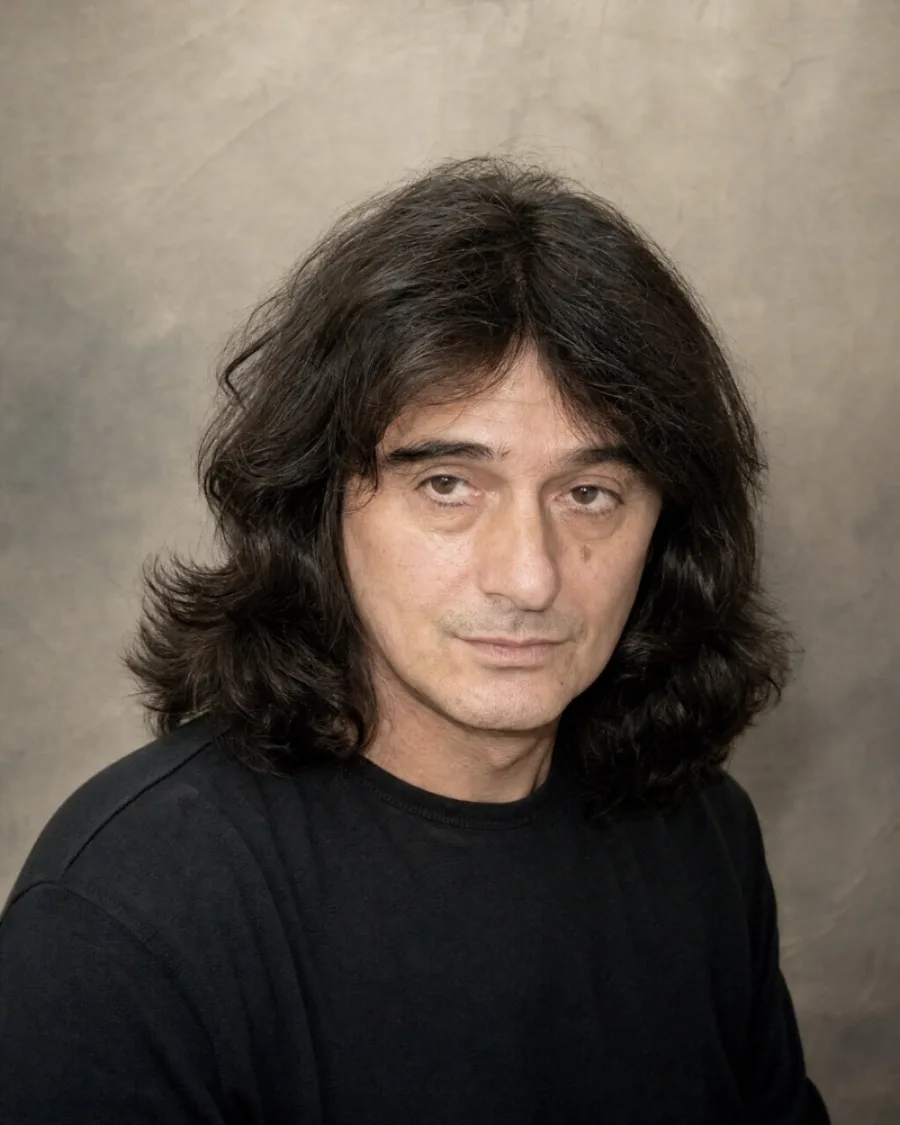
Gyula Klima
Philosopher of medieval thought, Fordham University
Professor of Philosophy, Fordham University.
Ask Gyula →Historical voices
Interpretive educational voices based on public-domain or licensed materials. They are clearly labeled and are not authorized representations of living people. They can, however, be used in classrooms for debates or conversations.