For investors
A scholar’s own model, for the scholar’s own classroom
Shryn builds a scholar's own model, for the scholar's own classroom. Built with them, grounded only in their work, and measurably better at their method than a general model.
The problem
A department’s teaching capacity is its senior faculty. When they retire, the thing the department was known for leaves with them. It was never a document, so it was never possible to buy, at any price.
Students already ask a machine instead, not because it is good but because it is there at two in the morning and the professor is not. The institution has no say in what it tells them, and no sanctioned alternative to offer. A university cannot procure a tool built without the scholar’s consent, ungrounded in their corpus, and unable to show where an answer came from.
The proof
Line-level references to the source transcript.
Michael Bamberg at Clark University ran a three-condition test using his own Shryn model against his own analytic method, scoring line-level references to the source transcript.
With no method and no transcript, the model produced zero references. Given his method alone, still zero. Given his method and the transcript together, 32. His own hand-done version scored 48.
Two further markers moved in different directions in the same test. Master narratives tripled once his procedure was supplied. Agency stayed at zero throughout, because his procedure never mentions it. Three measures moving three different ways, each explained by what was supplied. Bamberg co-authored a chapter on the result. It has been accepted for publication.
Describing a method to a general model does not make it execute that method. Execution needs the scholar’s own procedure and the scholar’s own material together. That is what Shryn builds.
What Shryn does
The scholar supplies their own books, lectures, papers and unpublished work. Nothing scraped, nothing bought. Shryn builds a dedicated model plus retrieval over that corpus alone, never cross-trained with any other scholar. The scholar reviews answers, issues corrections, reads the source behind any response, and can withdraw at any time.
Built with the scholar. Owned by the scholar.
Why it holds up
Consent is not a policy here. The founder’s own novels were taken into AI training datasets without his permission, and Shryn is built so that cannot happen to a scholar.
Each scholar’s corpus is licensed to Shryn by the scholar, held in isolation, and never used to train another model. Shryn AI Europe B.V. operates under GDPR, with a source manifest available to the scholar and to the institution. Under the EU AI Act, provenance stops being a virtue and becomes a purchase requirement.
Scholars already participating
Each model is built with the scholar.
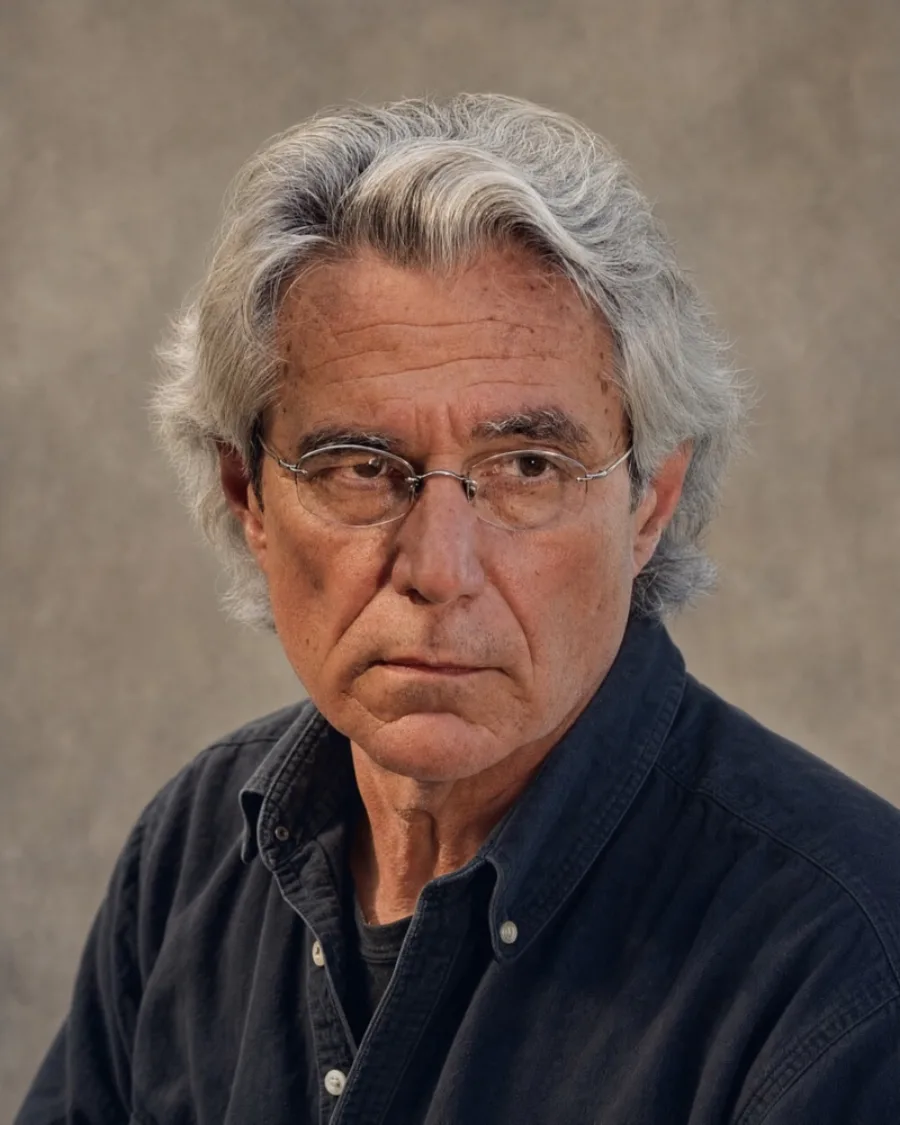
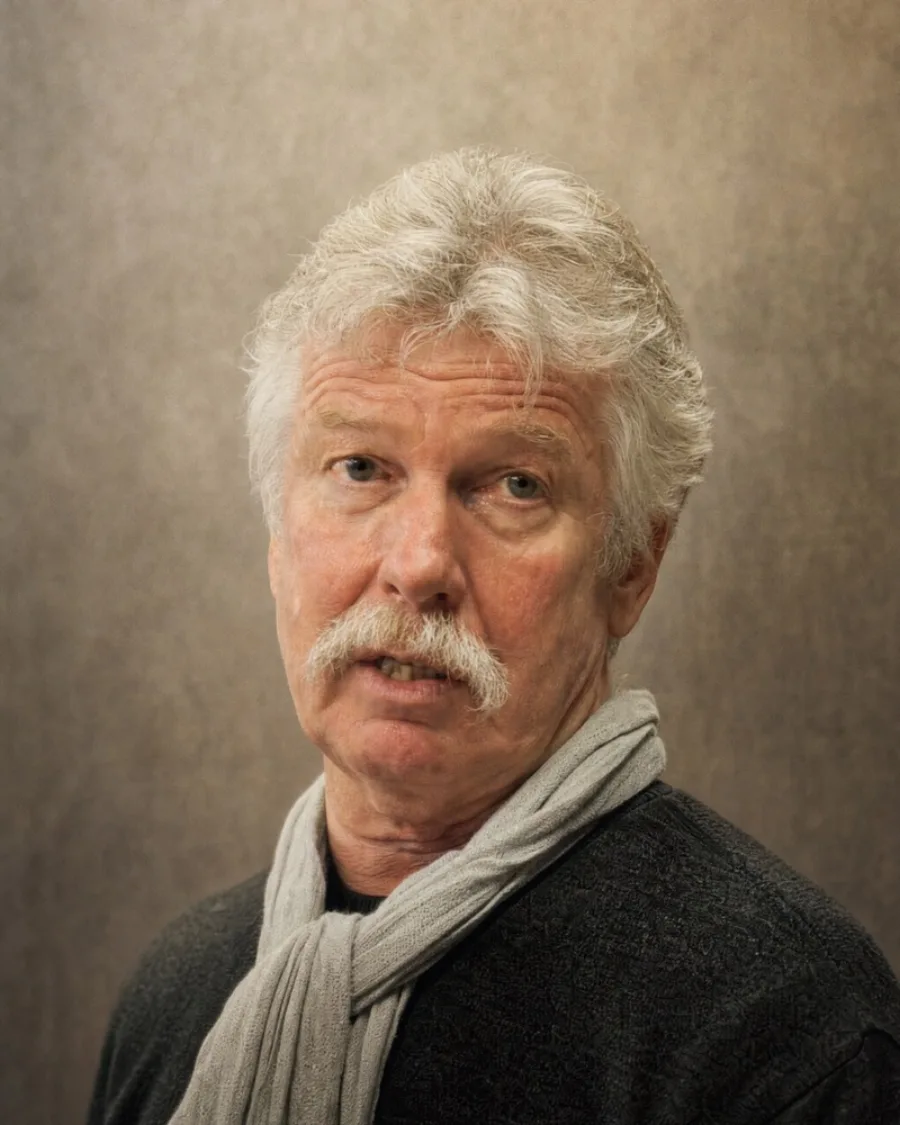





See two of them in use, bamberg.shryn.ai/love and lal.shryn.ai/gandhi.
The buyer
The scholar is the wedge. The department is the sale. Peers follow a trusted colleague, models cluster by field, and the corpus becomes shared teaching infrastructure. Institutions preserve and teach a full career, and procurement, governance and provenance become the deciding criteria.